
1979
Creation of the Ministry
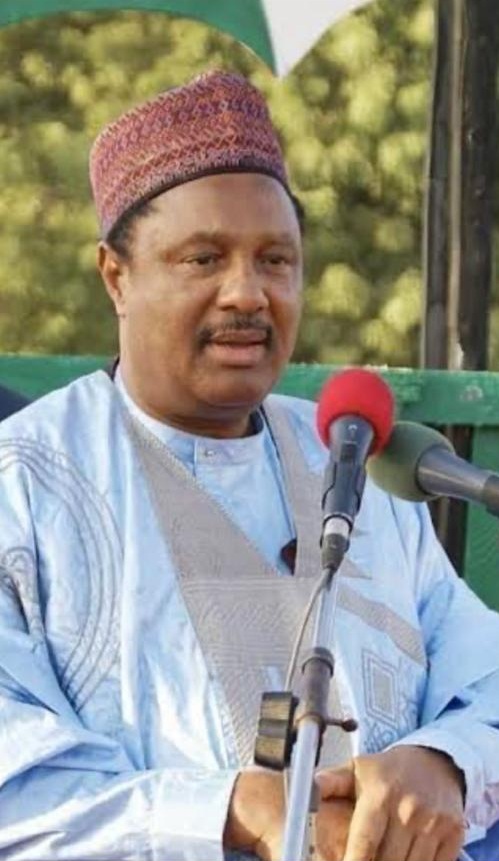
Back in 1979, during the administration of the Late Abubakar Rimi, the Ministry was established as the pioneer Ministry for Rural and Community Development in Nigeria. Subsequently, other states and even the Federal Government of Nigeria adopted the model introduced by Kano State.
2023
Governor Abba Kabir Yusuf
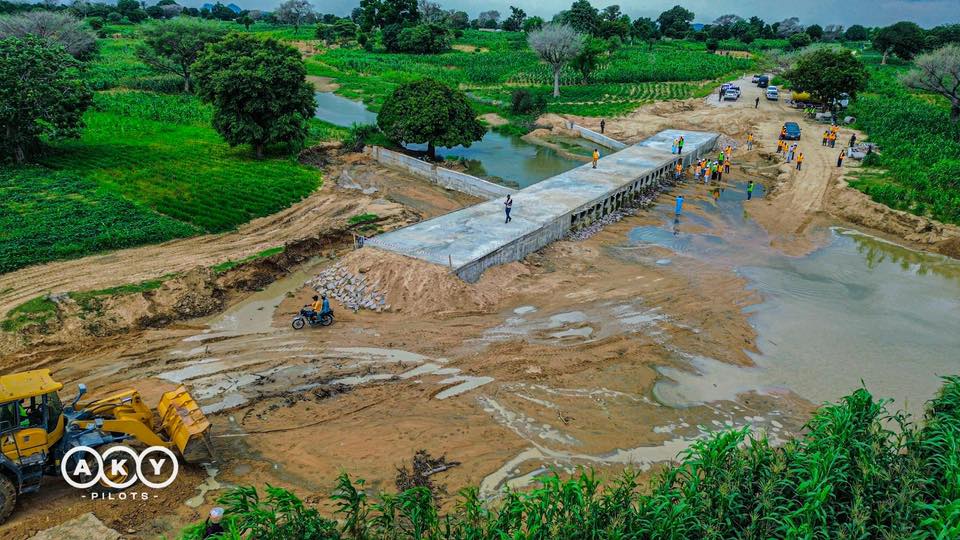
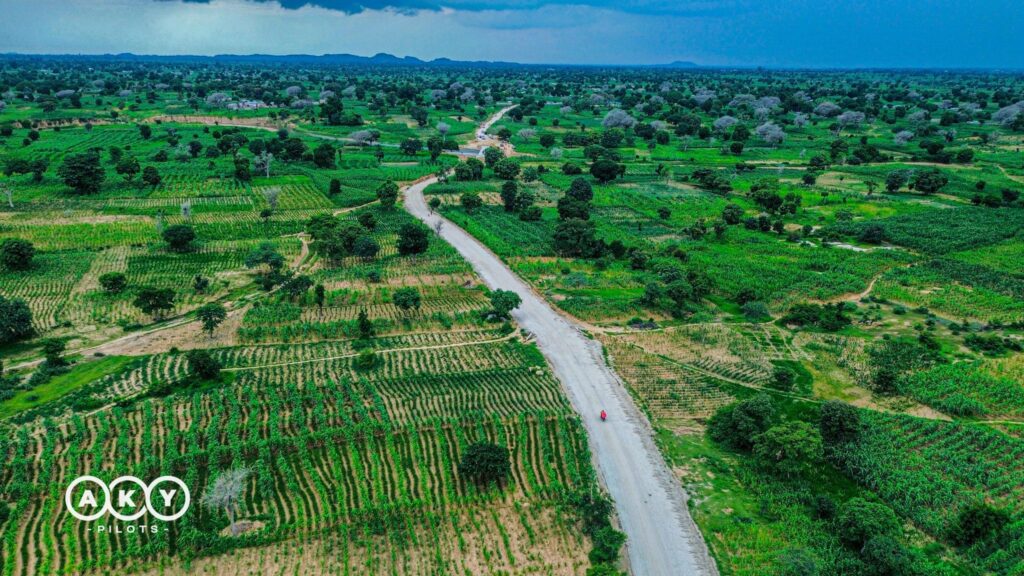
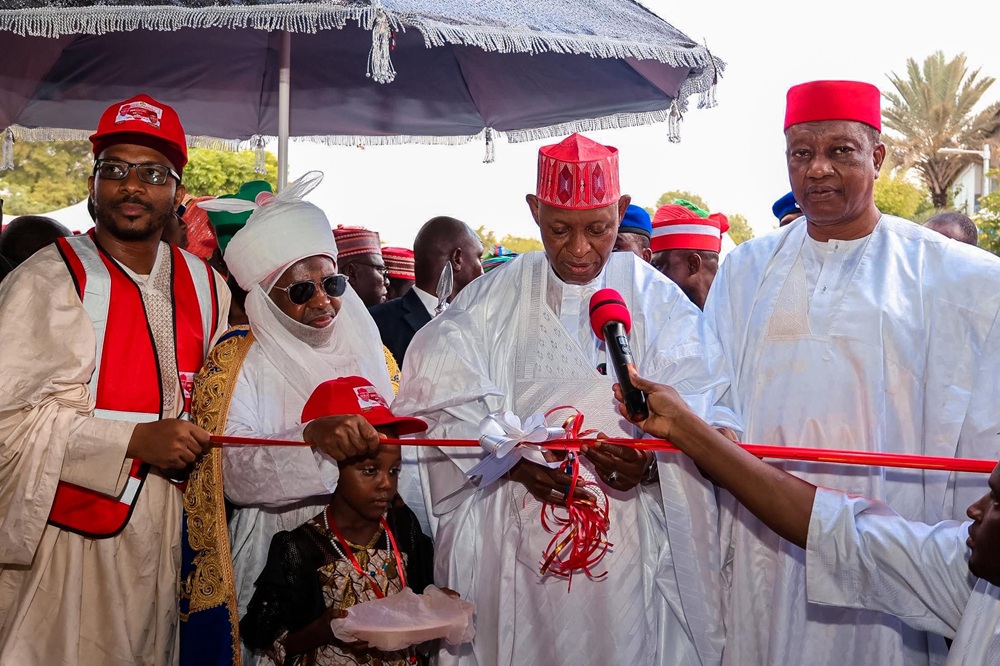
In his effort to re-engineer and revitalize the rural areas of Kano State, His Excellency, the Executive Governor of Kano State, Engr. Alhaji Abba Kabir Yusuf, has remarkably changed the narrative of rural development within just two years of his administration. Under his visionary and accomplished leadership, the State has witnessed unprecedented transformation across various rural communities. Over ten 5-kilometer road projects have been successfully completed across different local government areas, with several others nearing completion. Furthermore, new landmark projects have been initiated in rural areas, including the rehabilitation and construction of a 75-kilometer road from Madobi – Yako – Kiru – Bebeji, the gigantic Madobi – Kura – Kubarachi Bridge, and the Fanda – Hamdullahi – Albasu – Sakwayan Dutse Road, as well as the 23-kilometer Roggo – Bari – Falgore – Mahangi Road. Demonstrating his commitment to improving rural infrastructure and welfare, the workaholic Governor also flagged off the distribution of 500 newly procured electrical transformers across the 44 Local Government Areas of the State to ensure adequate and stable power supply for the people.
2025
Present Commissioner
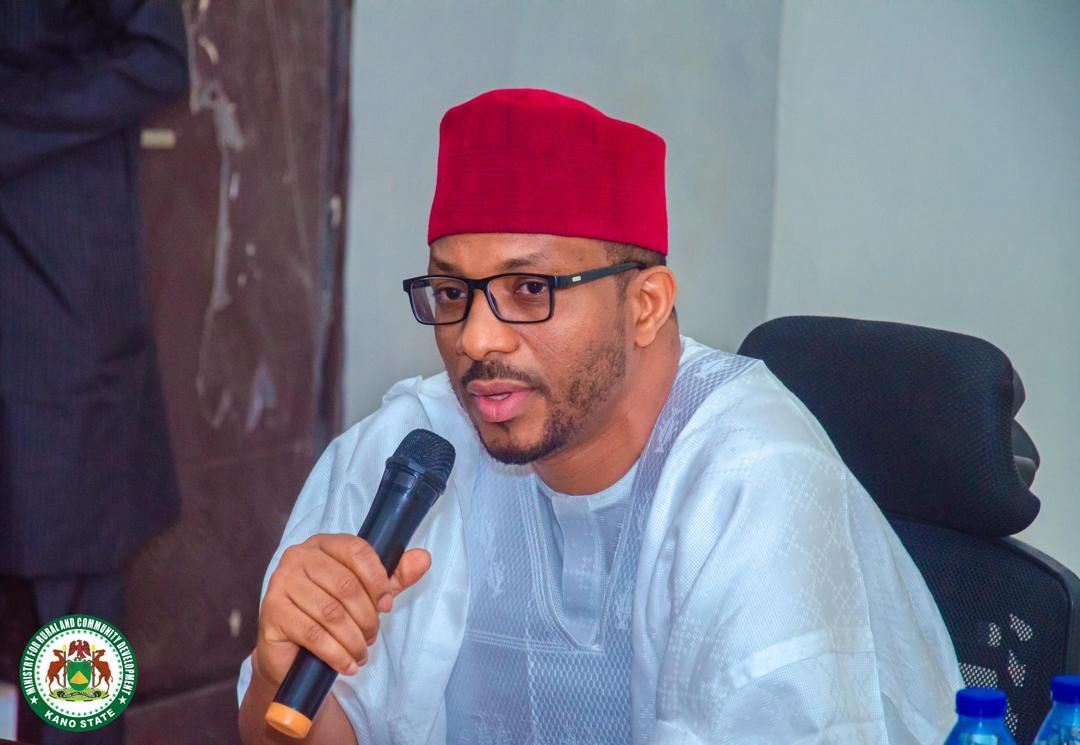
Upon his appointment, Hon. Abdulsalam Abdulkadir, FCA, PhD, assumed office with a clear mission to transform the Ministry in alignment with the vision of His Excellency, the Executive Governor of Kano State, Engr. Alhaji Abba Kabir Yusuf. Immediately after being sworn in, in January 2025, he swung into action by introducing a flagship initiative titled “Data for Sustainable Rural and Community Development (D4SRCD).” The project was designed to promote inclusivity and active engagement of rural dwellers and communities in the collection and collation of needs assessments across all sectors. This initiative aims to produce a comprehensive Five-Year Kano Integrated Rural and Sustainable Community Development Plan (2026–2030)—a strategic roadmap for accelerating rural transformation and community-driven growth. To actualize this mission, the Ministry strategically aligned its programs with the United Nations Sustainable Development Goals (SDGs) — specifically Goals 1–7, 9, 11, and 17 — while also integrating key policy frameworks such as the AKY Blueprint (2023 and Beyond), the Kano State Development Plan (2022–2025), and the National Development Plan (2021–2025).
2026 - 2030 Plan
Data for Sustanable Rural and Community Development Initiative (D4SRCDI)
The Data for Sustainable Rural and Community Development Initiative (D4SRCDI) is a core component of the Honourable Commissioner’s development ideology—driven by a commitment to data-based solutions for addressing the challenges faced by rural communities across Kano State. The initiative focuses on systematically gathering and analyzing data related to infrastructural needs, community participation levels, Water, Sanitation and Health (WASH), as well as assessing the impact of government interventions on wealth creation and capacity development within rural areas. Preliminary key data points reveal that the most critical sectors requiring urgent attention include infrastructure, health, education, agricultural development, and water supply. These findings are guiding the Ministry’s evidence-based planning and policy formulation towards achieving sustainable and inclusive rural transformation.
